
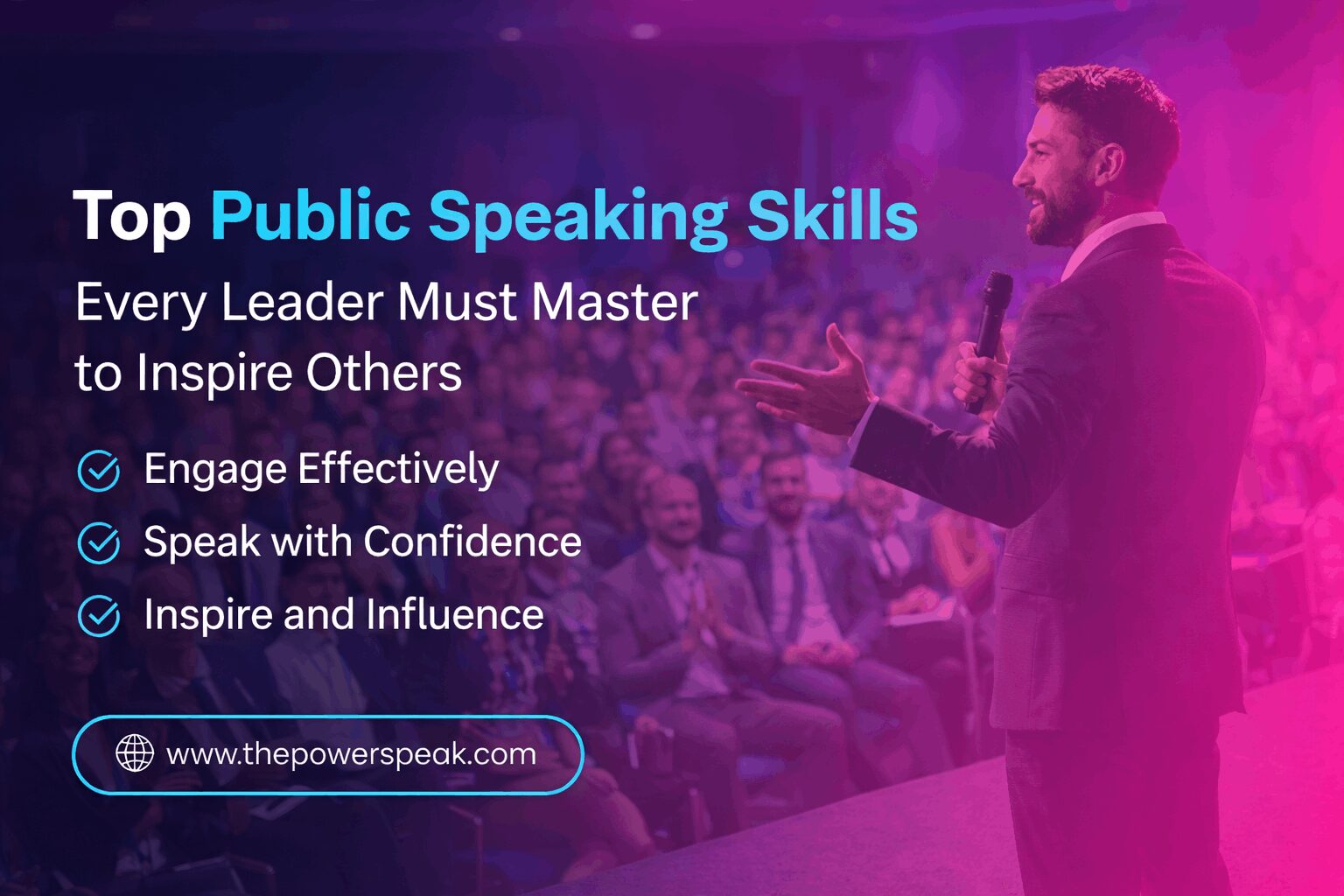
Outstanding leaders are not remembered only for their strategies or decisions. They are remembered for their words. From boardrooms to global stages, strong communication has shaped organizations, built movements, and inspired generations.
Public speaking is no longer optional for leaders it is an essential leadership skill.
Whether you are a corporate executive, coach, entrepreneur, or aspiring manager, mastering public speaking can help you inspire, influence, and lead with confidence. In fact, many organizations today actively hire public speaker professionals to train their teams because communication directly impacts performance and culture.
Let’s explore the most important public speaking skills every leader must master to truly inspire others.
1. Clarity of Message
The most effective leaders communicate with clarity. They do not confuse their audience with complicated words or lengthy explanations. Instead, they simplify ideas without losing meaning.
Clarity requires:
- A well-structured message
- A powerful opening and memorable closing
- Smooth transitions between key points
Before stepping onto a stage, leaders should ask:
What is the one core message I want my audience to remember?
When the message is focused, the impact multiplies.
Organizations that hire public speaker experts often prioritize clarity training because clear communication reduces confusion and increases trust.
2. Confidence in Delivery
Confidence is contagious. When leaders speak with certainty, the audience feels reassured and motivated.
Public speaking confidence comes from:
- Preparation and rehearsal
- Deep understanding of the subject
- Strong and positive body language
Standing tall, maintaining eye contact, and using purposeful gestures strengthen authority. Even if nervousness exists internally, structured delivery builds confidence externally.
Many companies hire public speaker coaches to help leaders overcome stage fear and develop authentic confidence that feels natural rather than forced.
3, Emotional Connection
Inspiring leaders do not just share information they connect emotionally. Personal stories, relatable examples, and authentic experiences create meaningful bonds between speaker and audience.
Research shows that people remember stories far more than statistics. A leader who shares real experiences builds credibility and relatability.
To strengthen emotional connection:
- Share genuine moments
- Use inclusive language like “we” and “us”
- Address audience concerns directly
When people feel understood, they feel inspired.
This is why organizations that hire public speaker professionals focus heavily on storytelling techniques during leadership training programs.
4. Powerful Voice Modulation
Monotone speaking quickly loses attention. Great leaders know how to use their voice as a powerful tool.
Voice modulation includes:
- Adjusting pitch and tone
- Using pauses strategically
- Emphasizing important phrases
A well-placed pause before a powerful statement increases impact. Variation in tone keeps the audience engaged.
Voice training is often overlooked, yet it is one of the most transformative communication skills. Businesses that hire public speaker trainers often see noticeable improvements in executive presence and vocal authority.
5. Body Language That Builds Authority
Communication extends beyond words. Body language significantly influences how messages are perceived.
Leaders must be aware of:
- Posture
- Hand gestures
- Facial expressions
- Stage movement
Confident body language reinforces spoken words. Nervous habits, crossed arms, or lack of eye contact can weaken authority.
Strong speakers use intentional gestures that support their message rather than distract from it.
When companies hire public speaker experts for leadership development, body language training is often a core component.
6. Audience Awareness
Effective leaders adapt to their audience. They understand who they are speaking to and adjust tone, examples, and depth accordingly.
Key questions to consider:
- What does this audience care about?
- What challenges are they facing?
- What outcomes do they expect from this talk?
Audience awareness ensures relevance. When a speech feels personalized, engagement increases significantly.
Professionals who hire public speaker consultants often seek guidance on tailoring messages for different corporate audiences.
7. Persuasion and Influence
Leadership often requires persuasion pitching ideas, motivating teams, or driving change.
Persuasive speaking involves:
- Logical arguments supported by evidence
- Emotional appeal
- A clear call to action
Effective persuasion balances logic and emotion. Facts build credibility; emotion builds belief.
Organizations frequently hire public speaker professionals to train executives in persuasive communication because influence directly impacts business outcomes.
8. Handling Questions with Composure
Public speaking does not end when the speech concludes. The Q&A session tests a leader’s composure and clarity under pressure.
Strong leaders:
- Listen carefully before responding
- Remain calm during challenging questions
- Admit honestly when they don’t know something
Handling questions gracefully strengthens credibility and demonstrates maturity.Consistency and Authenticity
Modern audiences value authenticity. They can easily detect scripted or artificial communication.
Inspiring leaders:
- Speak in their natural tone
- Align words with actions
- Maintain consistency across platforms
Authenticity builds trust, and trust builds leadership authority.
Why Public Speaking Matters More Than Ever
In today’s digital world, leaders are expected to speak across multiple platforms live events, webinars, podcasts, video content, and social media. Communication is no longer confined to conference rooms.
This shift makes public speaking essential for personal branding and professional growth.
Companies increasingly hire public speaker professionals to elevate internal communication standards and strengthen leadership impact.
Structured training provides techniques, real-time feedback, and confidence-building exercises that transform hesitant presenters into compelling communicators.
Final Thoughts
Leadership is influence, and influence begins with communication.
The most inspiring leaders master:
- Clear messagin
- Confident delivery
- Emotional connection
- Voice modulation
- Persuasive storytelling
- Authentic presence
Public speaking is not a gift reserved for a few it is a skill developed through practice and refinement.
If you aspire to lead, inspire, and create lasting impact, investing in your communication skills is one of the most powerful decisions you can make.
Because when leaders speak with clarity and conviction, people don’t just listen they take action.