
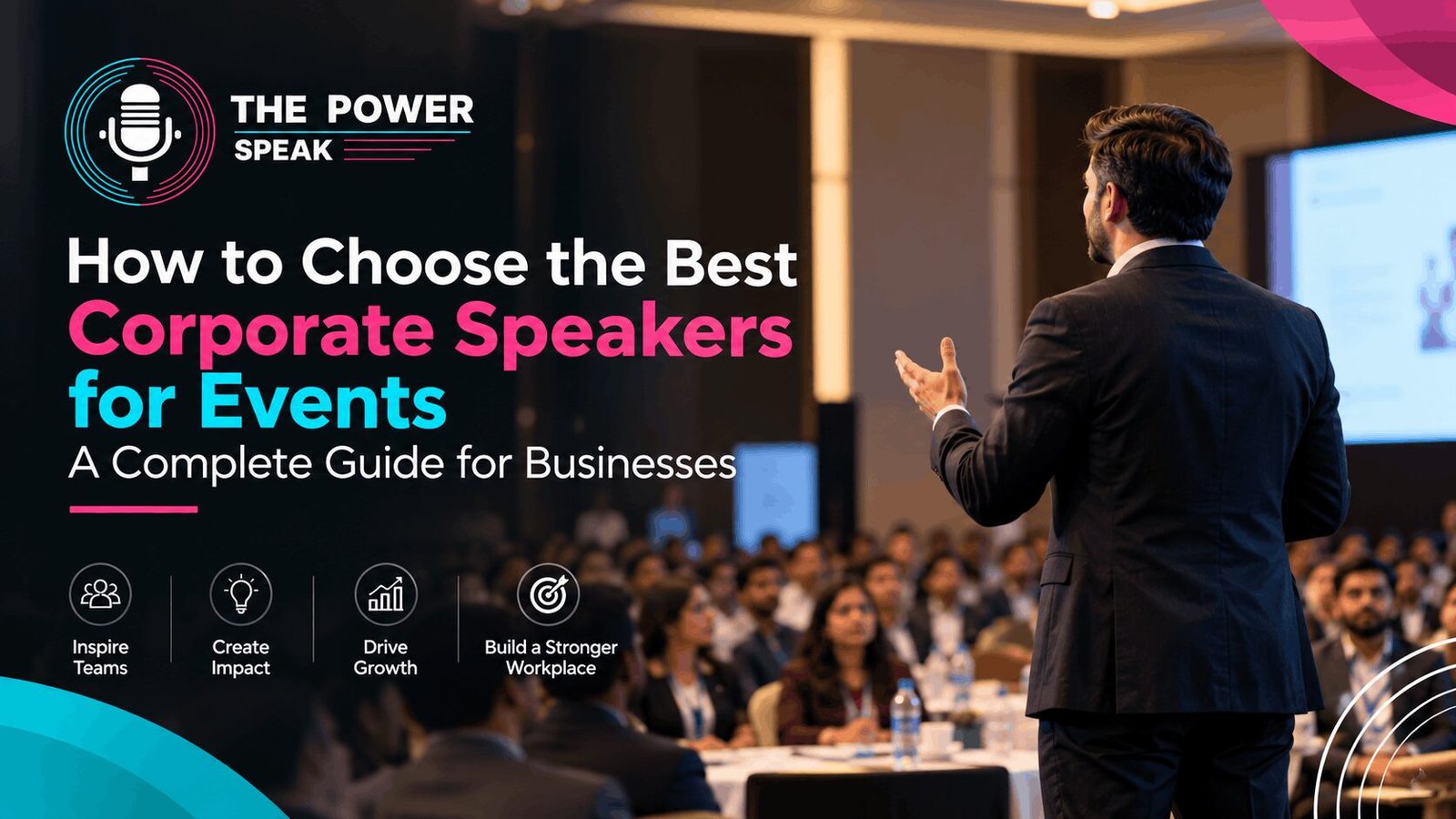
Choosing the right speaker can transform an ordinary corporate event into an experience that inspires employees, strengthens leadership, and encourages meaningful business growth. Whether you are planning a leadership conference, an annual company meeting, a sales kick-off, or a team-building session, the right voice can help your audience connect with your message.
However, selecting corporate speakers for events involves more than finding someone with an impressive profile. Businesses need speakers who understand their objectives, connect with diverse audiences, and deliver practical insights that people can apply in their professional lives.
In this guide, we explore how to select the right speaker for your next corporate event and make the experience valuable for everyone involved.
Why the Right Corporate Speaker Matters
Corporate events bring people together around shared goals, challenges, and opportunities. A skilled speaker can help employees see familiar problems from a fresh perspective, encourage collaboration, and create a stronger connection between company values and everyday actions.
For example, a leadership event may benefit from a speaker who shares real experiences about decision-making and resilience. Similarly, a company experiencing organisational change may need someone who communicates the importance of adaptability and teamwork.
The most effective motivational speakers for corporate events combine engaging communication with relevant experiences and actionable lessons. Their goal should not simply be to entertain the audience but to leave people with ideas they can put into practice.
1. Define Your Corporate Event Goals
Before searching for a speaker, identify what you want your audience to learn, feel, or do after the event.
Consider these common business objectives:
- Leadership development: Help managers improve decision-making, communication, and team leadership.
- Employee motivation: Encourage employees to approach challenges with confidence and renewed energy.
- Team building: Promote trust, collaboration, and shared responsibility.
- Sales performance: Inspire sales teams to improve resilience, customer relationships, and goal-setting.
- Change management: Help employees understand and adapt to new business priorities.
Clear objectives make it easier to shortlist corporate event speakers who understand your requirements. They also help you evaluate whether a speaker’s message aligns with your organisation’s culture and expectations.
2. Evaluate Experience, Expertise, and Credibility
A speaker’s reputation matters, but credibility should be supported by relevant experience, subject knowledge, and evidence of previous work.
Review their professional background, speaking experience, industry exposure, and previous event engagements. Look for detailed speaker biographies, authentic testimonials, recorded presentations, and examples of how they have addressed similar audiences.
When evaluating motivational speakers for corporate events, ask whether their stories and insights reflect real experiences rather than relying entirely on generic motivational messages.
For specialised events, such as executive retreats or industry conferences, choose someone who understands the audience’s professional environment. A speaker who can connect their expertise to real business situations is more likely to deliver lasting value.
3. Choose a Speaker Who Connects Through Storytelling
Facts communicate information, but well-told stories can make that information memorable. Personal experiences, professional challenges, lessons from failure, and moments of transformation can help audiences relate to a speaker’s message.
Storytelling is particularly valuable when businesses want to communicate leadership principles, encourage cultural change, or help employees understand a new direction.
When reviewing corporate speakers for events, watch recordings of their live presentations. Notice how they engage the audience, explain complex ideas, use personal examples, and respond to audience reactions.
A good speaker does not simply deliver a speech. They create a connection between their experiences and the challenges their audience faces.
4. Match the Speaker to Your Audience
Not every speaker is suitable for every event. A presentation designed for senior executives may not work equally well for new employees, sales professionals, or a mixed audience.
Before making a decision, consider your audience’s experience, interests, expectations, and preferred communication style.
If employee morale and workplace culture are your priorities, look for speakers for employee engagement who can discuss recognition, communication, teamwork, and personal development. For executive audiences, leadership strategy and decision-making may be more relevant.
The best motivational speakers for corporate events adapt their message to the audience rather than delivering the same presentation at every engagement.
5. Review Speaking Style and Audience Engagement
A speaker’s delivery can significantly influence how an audience receives the message. Some speakers use humour and interactive activities, while others rely on powerful storytelling, practical examples, or thoughtful discussions.
Ask for a recent video of a complete presentation whenever possible. Evaluate their clarity, pacing, confidence, and ability to maintain attention.
You should also discuss whether the session will include audience questions, group activities, or customised examples. These elements can make the event more interactive and relevant.
The right approach depends on your objectives, event format, and audience size.
6. Consider Budget, Availability, and Customisation
Before confirming a speaker, establish your budget and clarify what the proposed fee includes. Depending on the engagement, costs may cover preparation, travel, accommodation, additional sessions, and other event requirements.
Discuss the speaker’s availability, presentation duration, technical needs, and willingness to customise the content.
Businesses searching for the best corporate speakers in India should compare candidates based on expertise, audience fit, credibility, and expected value rather than choosing solely on popularity or price.
Ask about previous engagements with similar organisations and agree on the event objectives before finalising the booking.
7. Measure the Impact After the Event
The success of a corporate speaking session should not be measured only by applause or audience attendance. Consider whether the presentation helped achieve the goals established during planning.
You can collect feedback through short surveys, gather comments from team leaders, and ask participants which ideas they intend to apply at work. For employee-focused sessions, follow up after a few weeks to understand whether the discussion influenced collaboration, communication, or motivation.
These insights can help businesses assess the value of motivational speakers for corporate events and make better decisions when planning future engagements.
Why Choose The Power Speak for Your Next Corporate Event?
Finding a speaker who combines meaningful experiences with effective communication can make a difference to your event.
The Power Speak, founded by Abhishek Mudgal, is a storytelling-driven platform that connects business leaders, changemakers, and creative voices with impactful stages. Its focus on powerful communication and real stories supports organisations looking to create more meaningful audience experiences.
For businesses exploring corporate speakers for events, The Power Speak offers a starting point for discovering voices whose experiences and perspectives can connect with an audience. The right choice ultimately depends on your event objectives, audience, and preferred speaking style.
Explore The Power Speak to learn more about the platform and its storytelling-driven approach to impactful communication.
Frequently Asked Questions
1. How do I choose the right corporate speaker for an event?
Start by defining your objectives, understanding your audience, and evaluating the speaker’s expertise, experience, presentation style, and previous engagements. Review speaking videos and discuss customisation before confirming your choice.
2. What makes a corporate speaker effective?
An effective speaker combines subject knowledge, credible experiences, engaging storytelling, and practical insights. They understand their audience and deliver a message that supports the event’s objectives.
3. When should businesses hire motivational speakers for corporate events?
Businesses may hire motivational speakers for annual meetings, leadership programmes, sales conferences, employee development sessions, team-building activities, and organisational change initiatives.
4. How can businesses find the best corporate speakers in India?
Compare relevant expertise, verified testimonials, speaking videos, audience suitability, availability, and budget. Choose a speaker whose experience and communication style align with your business goals.
5. Are speakers for employee engagement suitable for internal company events?
Yes. Speakers for employee engagement can address workplace communication, collaboration, recognition, leadership, and professional development, helping organisations encourage more meaningful conversations among employees.
Conclusion
Choosing the right corporate speaker requires a clear understanding of your business goals, audience expectations, and desired outcomes. Experience and reputation are important, but the ability to communicate authentically, share relevant stories, and offer practical lessons is equally valuable.
By evaluating these factors carefully, businesses can choose speakers who do more than deliver a presentation. They can create experiences that encourage reflection, strengthen connections, and inspire positive action long after the event ends.
With a storytelling-led approach, The Power Speak helps bring meaningful voices and experiences into conversations that matter.